
Filters and seals play a crucial role in the industrial sector, particularly in the petrochemical, food, and transportation industries. This article provides a detailed review of industrial filters and seals, including the various types available on the market and their respective applications. From protecting sensitive equipment to ensuring product purity and system efficiency, we will examine how these components enable industrial processes to run safely and smoothly.
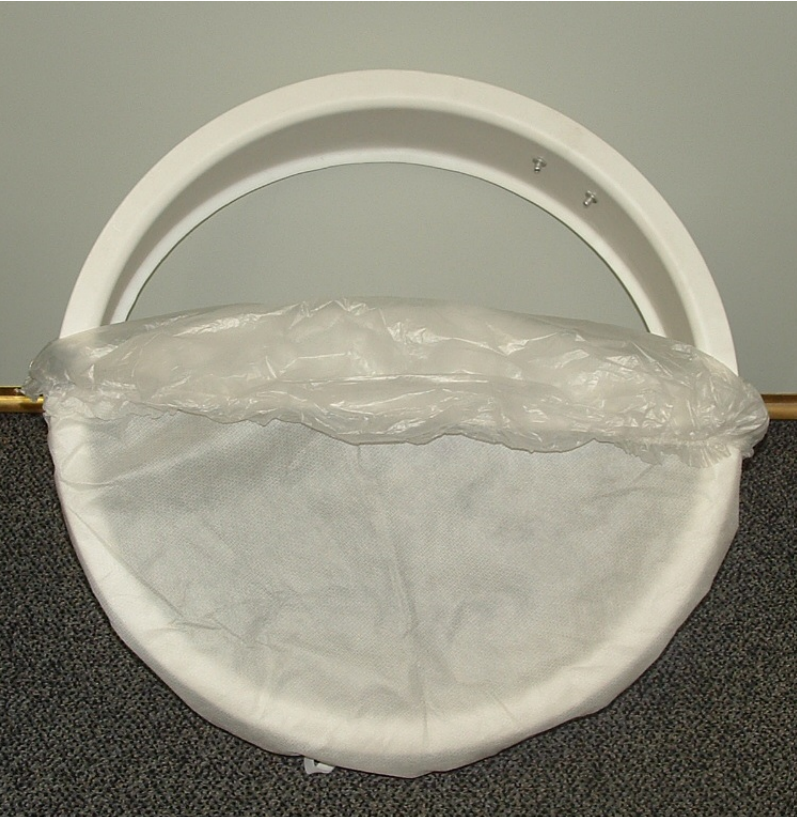
What Are Industrial Filters and Seals?
Industrial filters are devices that remove contaminants from liquids, gases, or air to protect equipment and maintain product purity. They capture particles, impurities, and unwanted substances, thus ensuring cleaner process streams and preventing damage or malfunction.
Industrial seals are components that prevent leakage and isolate environments under pressure or movement. Moreover, they create tight barriers that keep fluids or gases contained, protecting against contamination and ensuring system integrity.
Together, filters and seals work in tandem to enhance equipment reliability and support environmental compliance. Filters safeguard system inputs and outputs by cleaning fluids and air, while seals maintain secure separations to prevent leaks and contamination. This collaboration minimizes downtime and prolongs equipment life. It also helps industries meet stringent regulatory standards in areas such as petrochemical processing, food and beverage production, and transportation.
Common Types of Industrial Filters
Industrial filters are classified depending on the function they perform or the type of media they handle.
By Function
- Air Filters: Used during product unloading to filter incoming air, preventing airborne contamination in railcar and transport truck operations, and maintaining product purity throughout transport.
- Liquid Filters: Designed for paint, ink, and chemical processes, these filters remove solid particles and impurities to protect product integrity.
- Gas Filters: Applied in high-pressure systems to remove contaminants from gases. These filters are essential for maintaining gas purity and preventing leaks in demanding industrial environments.
By Media Type
Particulate vs. Coalescing Filters
Particulate filters remove solid particles such as dirt, rust, and debris from liquids or gases. Their primary function is to protect equipment and maintain product purity by capturing physical contaminants.
In contrast, coalescing filters target fine liquid aerosols, such as oil and water droplets, within gas streams. They work by aggregating these tiny liquid particles into larger droplets that can be separated and removed. This prevents liquid contamination in processes sensitive to moisture or aerosols.
Filter Elements and Cartridges from Hendee
Hendee offers a wide range of high-performance filter elements and cartridges tailored for industrial filtration. Our selection includes liquid and air filters designed to meet stringent process requirements. Wire mesh and string-wound filters provide precise particle retention with durability. Whereas, depth and adsorption filters deliver high dirt-holding capacity and contaminant removal for liquids and gases.
Coalescer and separator filters efficiently separate aerosols and immiscible fluids, therefore protecting critical equipment. Spin-on cartridges allow quick, reliable replacements to minimize downtime. Whereas, specialized EDM and radial fin filters cater to niche applications requiring precise filtration and maximum surface area.
All products are manufactured with materials optimized for chemical resistance, mechanical strength, and operational efficiency to ensure consistent, long-lasting performance.
Materials
Different filter materials offer unique properties and performance advantages, thus making them suitable for a variety of industrial filtration applications.
Polyester Felt
Durable and chemically resistant, polyester felt provides efficient filtration across a broad particle size range. Its dense fiber structure ensures excellent dust-holding capacity and a long service life. It is common in air and liquid filtration, where moderate temperatures and chemical exposure are present.
Polypropylene Felt
Lightweight and hydrophobic, polypropylene felt offers superior resistance to acids and alkalis, thus making it ideal for aggressive environments. It is predominant in water treatment, chemical processing, and food-related filtration where moisture resistance and compliance are important.
Multifilament Woven
Composed of many fine fibers woven for precise pore sizes and high mechanical strength, multifilament woven media enables effective filtration of very fine particles while maintaining high flow rates. Typical uses include mesh screens, sieves, and precision filtration in various industrial processes.
Nylon Monofilament
Made from single, continuous fibers woven into a stable mesh, nylon monofilament excels in abrasion resistance, tensile strength, and chemical durability. It is ideal for liquid filtration in pharmaceutical and chemical industries due to its consistent performance and ease of cleaning.
Common Types of Industrial Seals
- Mechanical Seals: Found in dynamic connections, such as rotating or moving equipment (e.g., pumps, railcar hatches). Serve as a barrier against moisture and contamination, especially for high-value cargo and regulated products.
- Gaskets: Provide static sealing between flanged surfaces or covers, supporting applications like tank lids or drum closures to block out contaminants.
- O-Rings and Lip Seals: Utilized for dynamic or static sealing in valves and connection interfaces, contributing to leak prevention and isolating hazardous substances.
- Specialized High-Temperature or Chemically Resistant Seals: Offered as custom solutions for applications where conventional materials might degrade under harsh chemical exposure or elevated temperatures. For example, our Express Wrap™ provides a 100% containment seal, effectively containing fumigant.

Typical Materials
Most of Hendee’s industrial seals are crafted from high-quality polyethylene film, a versatile material prized for:
- Outstanding chemical resistance
- Excellent flexibility for effective sealing
- Strong moisture barrier properties
- Reliable and durable performance in demanding industrial environments
- Protection against contaminants
- Containment of sensitive substances such as fumigants
- Cost-efficiency
- Maintained seal integrity under operational stress
In addition to polyethylene, industrial seals incorporate materials like polytetrafluoroethylene (PTFE) for excellent chemical inertness. Other materials include rubber for elasticity, graphite for high-temperature resilience, and metal alloys for strength and durability.
Applications of Industrial Filters and Seals by Industry
Petrochemical
Filters and seals play a critical role in preventing contamination within pipelines, reactors, and processing equipment, ensuring operational safety and product integrity.
Food & Beverage
Filtration systems ensure product purity and compliance with stringent hygiene standards, while seals maintain leak-free equipment, protecting against contamination.
Transportation
Filters protect engines and fuel systems from particulates, while seals ensure HVAC systems and other dynamic connections remain airtight and leak-free, supporting reliability and performance.
Pharmaceutical and Manufacturing
Advanced cleanroom filtration controls airborne particles, while precision seals prevent leaks, maintaining sterile environments and protecting sensitive processes.
The specific application environment dictates the optimal type and material of filters and seals. Materials like polyethylene film are chosen to meet chemical, temperature, and mechanical demands unique to each industry.
Key Considerations for Selecting Industrial Filters and Seals
When choosing filters and seals, several critical factors must be taken into account to ensure optimal performance, reliability, and cost-effectiveness.
- Understand the operating environment: temperature, pressure, and chemical exposure affect material and design choices.
- Match flow rate and particle size requirements to filtration performance and seal integrity.
- Prioritize maintenance accessibility to reduce downtime and simplify replacement.
- Ensure compliance with industry standards such as FDA, ASME, and ISO for safety and quality.
- Evaluate the total cost of ownership by including purchase price, maintenance, service life, and energy use. Also, consider performance efficiency to ensure long-term value and effectiveness.
Industrial Filters and Seals Maintenance Best Practices
Regular inspection intervals are essential to identify wear and potential issues before they cause failure. Implementing predictive replacement strategies helps prevent unexpected downtime by replacing components based on condition and usage rather than waiting for failure.
Cleaning is often effective for maintaining filter and seal performance. However, components should be replaced when cleaning no longer restores functionality or when damage is detected. Be vigilant for warning signs of failure such as leaks, pressure drops, or contamination. These indicate the need for immediate attention to avoid operational disruptions.
Partner with Hendee for Your Filtration and Sealing Solutions
Safeguard your operations with Hendee’s advanced filters and seals, expertly crafted for durability, reliability, and performance. Our tailored solutions help protect critical processes across industries, ensuring optimal efficiency, compliance, and product integrity. Whether your needs involve harsh chemical environments, strict hygiene standards, or demanding mechanical applications, Hendee delivers filters and seals engineered to withstand every challenge.
Contact us today to discover how Hendee can deliver the optimal filtration and sealing solutions for your unique requirements.