
Architectural shade structures have become essential components of industrial design, seamlessly combining practical utility with aesthetic appeal. At Hendee, we specialize in creating versatile fabric shade solutions that protect against the elements while enhancing industrial spaces. In this article, we explore fabric types for architectural shade structures, common designs for outdoor spaces, as well as their benefits.
Introduction to Architectural Shade Structures
Architectural shade structures protect from sunlight, rain, and other environmental factors while enhancing the visual appeal of outdoor spaces. In industrial settings, these structures create a comfortable work environment, protect valuable equipment, and improve overall operational efficiency. Hendee’s expertise in this field ensures that our clients receive top-quality shade solutions tailored to their specific needs.
Architectural Fabric for Shade Structures
The choice of fabric is paramount in determining the effectiveness and longevity of a shade structure. So, it is necessary to utilize high-performance materials that offer durability, weather resistance, and aesthetic versatility. Some examples are in the following sections.
PVC-Coated Polyester
PVC-coated polyester is a popular choice for architectural shade structures due to its exceptional strength and versatility. This material offers:
- High tensile strength and also tear resistance.
- Excellent UV protection.
- Water and mildew resistance.
- A wide range of color options for customization.
- Long lifespan, typically 10-15 years with proper maintenance.
High-Density Polyethylene (HDPE)
HDPE fabric is another excellent option for shade structures, particularly in areas with high wind loads. Its benefits include:
- Lightweight yet durable construction.
- Breathability, allowing hot air to escape.
- UV stabilization to prevent degradation due to sun exposure.
- Resistance to fading and also mildew.
- Easy maintenance and cleaning.
PTFE (Polytetrafluoroethylene) Fiberglass
For projects requiring the utmost durability as well as longevity, PTFE fiberglass is an exceptional choice:
- Extremely long lifespan, often exceeding 25 years.
- Self-cleaning properties due to its non-stick surface.
- High fire resistance.
- Excellent light transmission while blocking harmful UV rays.
- Ability to span large areas with minimal support structures.
Shade Structure Design
At Hendee, we understand that every industrial space has unique requirements. Our architectural shade structures are designed to meet these diverse needs while maintaining aesthetic appeal.
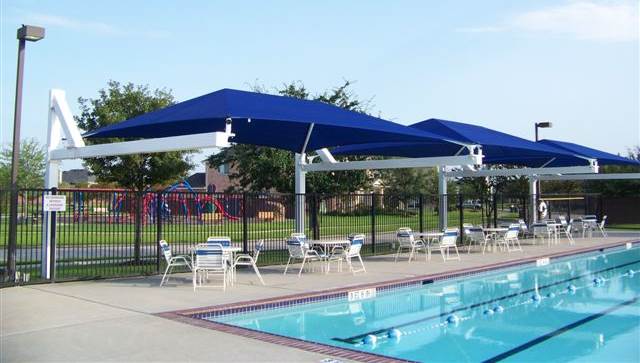
Cantilevered Shade Structures
Cantilevered shade structures are ideal for areas where minimal ground support is desired. They provide:
- Unobstructed coverage for equipment or work areas.
- Sleek, modern appearance.
- Flexibility in size and also shape to fit specific spaces.
Tensile Membrane Shade Structures
These structures utilize tension to create striking, sculptural forms that are both functional and visually appealing:
- Ability to cover large areas with minimal support.
- Customizable shapes to fit unique architectural requirements.
- Excellent load-bearing capacity for areas with heavy snow or wind loads.

Modular Shade Systems
For industrial spaces that require flexibility and scalability, modular shade systems offer:
- Easy expansion or reconfiguration as needs change.
- Uniform appearance across multiple areas.
- Cost-effective solution for large-scale coverage.

Benefits of Shade Structures
Implementing Hendee’s architectural shade structures in industrial settings offers a multitude of advantages.
Enhanced Worker Comfort and Productivity
By reducing solar heat gain and providing shade, our structures create comfortable outdoor workspaces. This mitigates the risk of heat-related illnesses and increases employee productivity and satisfaction. In addition, it is easy to extend usable work hours in outdoor areas.
Equipment and Asset Protection
Our shade solutions provide versatile coverings for various industrial applications and protect equipment from UV radiation, rain, and snow. As a result, the lifespan of outdoor machinery and vehicles is extended. They also create sheltered areas for maintenance and assembly tasks.
Energy Efficiency
Architectural shade structures can significantly impact energy consumption by reducing the need for air conditioning in adjacent indoor spaces. They also help decrease the urban heat island effect in large industrial complexes.
Aesthetic Improvement
While functionality is crucial, the visual appeal of industrial spaces should not be overlooked, as these structures enhance the overall appearance of industrial facilities. This results in a more pleasant work environment for employees and improves the company’s image for visitors.
Customization and Branding Opportunities
Hendee’s shade structures offer extensive customization options that can incorporate company colors and logos into the design. We also create unique shapes and forms that reflect the company’s brand identity.
Durability and Low Maintenance
Our high-quality materials and expert construction ensure long-lasting structures that withstand harsh industrial environments. These come with minimal maintenance requirements due to resistance to fading, tearing, and weather damage, subsequently reducing long-term costs.
Architectural Shade Structures by Hendee
Architectural shade structures from Hendee represent a significant investment in the functionality, efficiency, and aesthetics of industrial outdoor spaces. By carefully selecting appropriate fabrics and designing structures that complement the existing architecture, shade solutions enhance facilities.
As industries evolve and prioritize employee wellness, having well-designed shade structures becomes increasingly vital. For more information on Hendee’s architectural shades, contact us today.