
Permanent outdoor structures play a crucial role in enhancing outdoor spaces. They do this by providing protection from the elements, as well as creating comfortable environments for various activities. These structures are designed to withstand long-term exposure to weather conditions while offering functional and aesthetic benefits to commercial, residential, and public areas. This article explores what permanent outdoor shade structures are and common types with focus on their features, advantages and disadvantages.
What are Permanent Outdoor Shade Structures?
Permanent outdoor shade structures are long-term installations that provide lasting shelter, shade, or functional space in outdoor settings. Unlike temporary or portable options, these structures are built to remain in place for long periods, often becoming integral parts of the landscape or architectural design. As a result, their construction involves durable materials such as metal, wood, concrete, or a combination of these. This ensures longevity and resistance to environmental factors.
Functions of a Permanent Outdoor Shade Structure
These structures provide multiple benefits, as the following sections highlight.
Weather Protection
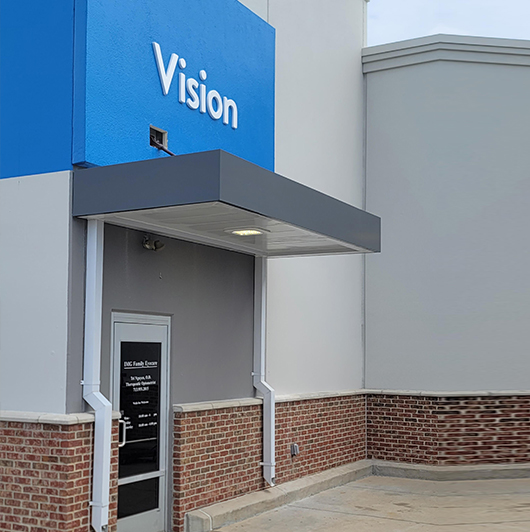
- Sun and UV Shielding: Structures like sunshades and canopies protect people and property from harmful UV rays and excessive heat.
- Rain Shelter: Many structures offer protection from rain, thus, allowing outdoor activities to continue despite wet weather.
- Wind Barrier: Solid structures can reduce wind exposure, thereby, creating more comfortable outdoor environments.
Space Utilization
- Extend Usable Areas: Structures like pergolas and gazebos effectively expand living or working space. Therefore making outdoor areas more functional year-round.
- Create Outdoor Rooms: Permanent structures can define distinct outdoor “rooms” for dining, lounging, or working.
Aesthetic Enhancement
- Visual Appeal: Well-designed structures like pergolas or decorative canopies can significantly improve the appearance of a property.
- Landscaping Integration: Many structures support climbing plants or can be incorporated into broader landscape designs.
Energy Efficiency
- Temperature Regulation: Shading structures reduce building cooling costs by blocking direct sunlight.
- Natural Climate Control: Also, strategic placement of structures can create naturally comfortable microclimates without extra heating or cooling.
Safety and Security
- Storm Protection: Specialized structures in coastal areas provide crucial protection during severe weather events such as hurricanes.
- Controlled Access: Some structures can incorporate security features such as defining boundaries, and entry points.
Commercial Applications
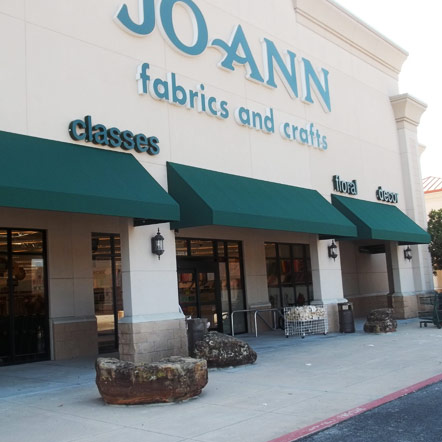
- Customer Comfort: In retail or hospitality settings, outdoor structures extend usable space and enhance customer experience.
- Branding Opportunities: Customized structures can reinforce brand identity through design and signage integration.
Environmental Benefits
- Reduce Urban Heat Island Effect: Large-scale shading in urban areas can help mitigate temperature increases.
- Support for Green Initiatives: Structures that incorporate plants or solar panels contribute to sustainability efforts.
Social Interaction
- Gathering Spaces: Structures like gazebos or large canopies create focal points for social activities.
- Community Amenities: In public spaces, permanent structures also provide shared areas for relaxation and interaction.
Specialized Functions
- Sports and Recreation: Permanent outdoor shade structures can have designs suitable for specific sporting activities like outdoor gyms, tennis courts, etc.
- Educational Purposes: Outdoor classrooms or nature observation areas in schools or parks.
Asset Protection
- Equipment Shelter: In industrial settings, structures protect valuable machinery or materials from weather damage.
- Vehicle Protection: Carports and covered parking areas shield vehicles from sun and precipitation.

Factors to Consider When Choosing a Permanent Outdoor Shade Structure
When selecting a permanent outdoor shade structure, several important factors come into play. Carefully considering these elements will ensure that you choose a structure that meets your needs, complements your space, and provides long-lasting value.
Purpose
First, consider the primary purpose of your shade structure:
- What activities will take place in this space?
- Do you need full shade or partial shade?
- Is protection from rain also important?
- Will the structure need to accommodate large gatherings or just a few people?
Understanding your specific needs will help narrow down the most suitable options.
Climate and Weather Conditions
Your local climate plays a crucial role in selecting the right structure:
- How intense is the sun exposure in your area?
- Do you experience heavy rainfall, snow, or high winds?
- Are there seasonal changes to consider? For example, protection against seasonal hurricanes is necessary in certain locations.
Structures like pergolas might be sufficient in milder climates, while more robust options like pavilions may be necessary in areas with extreme weather.
Aesthetics
The shade structure should complement your existing architecture as well as the landscape:
- What is the style of your home or building?
- Do you prefer a modern look or a more traditional design?
- How will the structure’s color and material fit with your existing outdoor decor?
Options like pergolas offer a classic look, while shade sails can provide a more contemporary feel.
Budget
Consider both the initial cost and long-term expenses:
- What is your budget for the structure itself?
- Are there additional costs for installation, permits, or site preparation?
Some options, like simple canopies, may be more budget-friendly initially, while others, like pavilions, represent a larger investment but may offer greater longevity.
Durability and Maintenance
Think about the long-term care of your structure:
- How long do you expect the structure to last?
- What kind of maintenance will be required?
- Are you prepared for periodic cleaning, repainting, or fabric replacement?
Metal structures often require less maintenance than wood, while fabric options may need more frequent replacement.
Customization Options
Consider the adaptability requirements of the structure.
- Do you need the ability to adjust the amount of shade?
- Would you like to add features like lighting or fans in the future?
- Is it important to have the option to enclose the space partially?
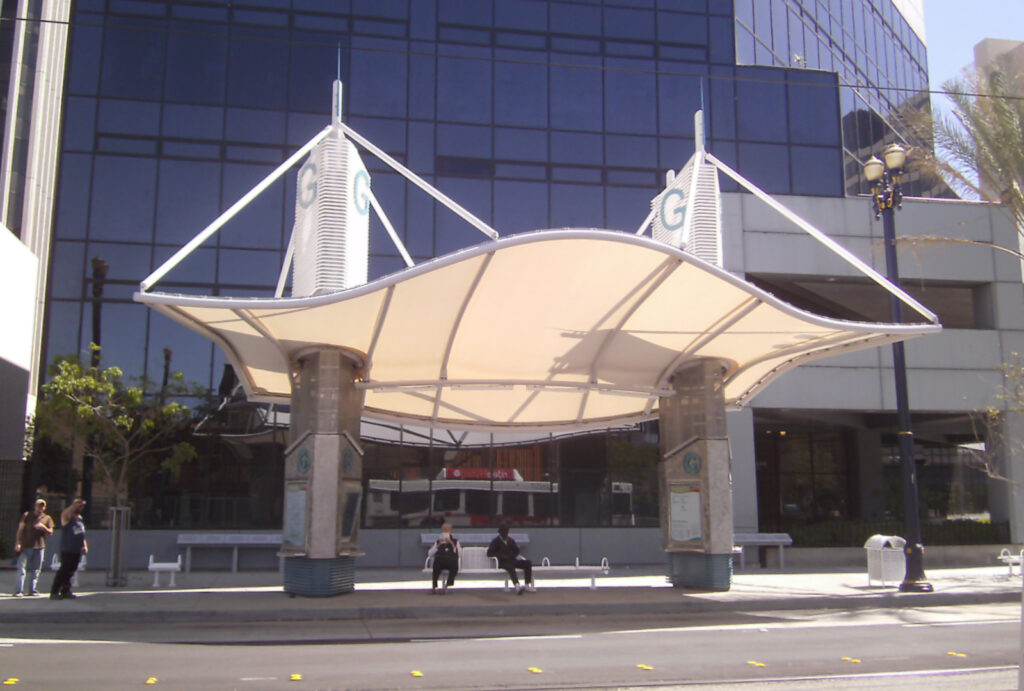
Structures with retractable canopies offer more flexibility in this regard.
Installation Process
Think about the logistics of setting up the structure:
- Do you plan to install it yourself, or will you need professional help?
- How long will the installation process take?
- Will it cause significant disruption to your outdoor space?
Some options, like prefabricated gazebos, may be easier to install than custom-built structures.
Environmental Impact
Consider the ecological aspects of your choice:
- What materials are used, and are they sustainably sourced?
- Can the structure support plant growth, like climbing vines on a pergola?
Types of Permanent Outdoor Shade Structures
| Area | Type | Advantages | Disadvantages |
| Industrial/Commercial | Metal Canopies | Low maintenance, customizable shapes and sizes, as well as fire and weather-resistant. | Can be more expensive than fabric options and may require professional installation. Also, it may be less pleasing aesthetically. During rain events, these structure are typically noisy. |
| Garden | Pergolas | Adds aesthetic value, supports climbing plants, as well as offers customizable design. | Limited protection from rain. Requires maintenance for wood types. |
| Residential/Commercial | Sunshade Structures | May require professional installation. Fabric may need replacement over time.Limited protection in heavy rain. | May require professional installation. Fabric may need replacement over time. Limited protection from heavy rain. |
| Coastal Areas | Hurricane Protection | Provides storm protection. Also offers easy integration with other systems. | High initial cost.Requires regular maintenance and testing. |
| Multipurpose | Gazebos | Adds architectural interest. Can be enclosed for bug protection. | Occupies significant space. Higher cost compared to simpler structures. May require building permits. |
Whether you know the exact structure you require or need assistance, Hendee is here for you. Reach out to us and let us help you determine the right permanent outdoor structure for you.